
What Are “Tooth Bugs” and “Sugar Bugs”?
Young children may struggle to grasp abstract concepts like bacteria and cavities. That’s why pediatric dentists often personify the cavity-causing bacteria as “tooth bugs”, “sugar bugs” or other similar child-friendly names.
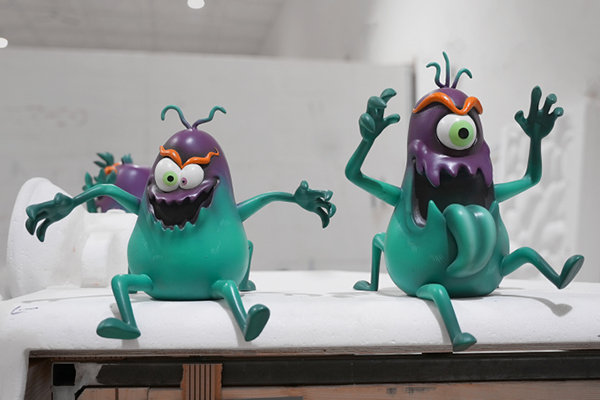
Sugar bugs are a kid-friendly term for the bacteria that live in the mouth and feed on leftover sugars, producing acids that erode tooth enamel and cause cavities (archerdental.org). In simple terms, dentists explain that these “sugar bugs” attack the teeth, making it easier for children to understand why cavities form. One of our clients even tells children that tooth bugs eat candy and poop on their teeth, a very vivid, and funny, image for young kids.
By framing bacteria as pesky little “bugs” that need to be defeated, we can turn dental hygiene into a story that kids relate to.
One pediatric dentist even described the essence of their job as “being able to communicate to a child how to keep the sugar bugs away” (kidsteethsa.com) – a testament to how central this concept is in pediatric dental care.
Educational Benefits of Using Fun Germ Characters
Using imaginative germ-like characters to represent oral bacteria comes with several educational benefits:
- Engages Imagination: Personifying bacteria as cartoon “bugs” turns oral hygiene into a fun mission or game for kids (archerdental.org). Instead of a boring chore, brushing becomes an adventure to “fight the sugar bugs.” This playful mindset can reduce fear and anxiety, since the focus is on silly characters rather than on scary procedures. In fact, avoiding negative or clinical words is key – many pediatric offices will say “we’re just washing off the sugar bugs” instead of using words like “scrape” or “drill,” keeping the tone positive and non-frightening (primepediatricdentistry.com).
- Simplifies Complex Concepts: The sugar bug metaphor breaks down complex dental concepts (plaque, decay, acid) into an age-appropriate story (archerdental.org). Children may not understand “bacterial acid demineralization,” but they do understand that “bugs on your teeth make holes if you don’t brush them away.” This narrative approach helps kids grasp cause-and-effect in dental health at a young age (archerdental.org).
- Encourages Better Habits: Framing brushing and flossing as a way to defeat sugar bugs motivates kids to take action (archerdental.org). They become the “heroes” saving their teeth. Parents often find that when dental care feels like a game, children are far more willing to participate and even cooperate without a fuss (kangaroosmiles.com). The task shifts from a parental mandate to a personal mission for the child. As one pediatric practice notes, making oral care enjoyable can lead to kids reminding the parents that it’s time to brush, rather than the other way around (kangaroosmiles.com). Over time this builds a positive routine, and since cavities are almost 100% preventable with good habits (surfsidekidsdental.com), these fun characters ultimately help instill lifelong healthy behaviors.
- Facilitates Communication: “Sugar bugs” also provide a friendly vocabulary for dentists and parents. It’s much easier to talk to a nervous child about “tickling the sugar bugs away” than about scraping plaque. Many dentists use this term during exams and cleanings – for example, saying “I’m going to get those sugar bugs out so your teeth can stay shiny and strong!” (dentistry.uic.edu). According to pediatric dentist Dr. Sam Weisz, the sugar bug story is a great way to frame conversations with kids and parents in a positive, non-threatening manner (dentistry.uic.edu). It steers the dialogue away from fear (no mention of needles or drills) and towards teamwork: child, parent, and dentist all working together to defeat the tiny “bugs.” This approach not only educates but also builds trust, making children more receptive during dental visits.
Integrating “Sugar Bugs” Into Dental Routines and Conversations
How can pediatric dentists and parents put the sugar bug concept into practice? Here are some practical suggestions:
- Storytime Brushing: Turn daily brushing into a story or game. For example, encourage kids to imagine sugar bugs on their teeth each night and let them “chase the bugs away” with their toothbrush. You can even name the bugs or create a little narrative (“Captain Sugar Bug is hiding on your molar, let’s get him!”). This transforms brushing from a tedious task into imaginative play. Many parents report that their children actually look forward to brushing when it feels like saving the day from tooth bugs (kangaroosmiles.com).
- Use Books and Media: Leverage children’s books, videos, or apps that feature tooth bug characters. For instance, the book “Sugar Bugs” by Dr. Sam Weisz follows a boy whose mouth is home to the mischievous “Mutans family” of sugar bugs and shows how he learns to beat them by brushing and flossing (dentistry.uic.edudentistry.uic.edu). There are also kid-friendly videos and songs (like “Tooth Bugs Go Away” on YouTube) that make oral care entertaining. These resources can reinforce your in-office messages at home in a fun way.
- Dental Office Dialogue: Incorporate the friendly terminology during dental visits. Substitute scary or confusing words with gentle, sugar-bug–themed language. For example, instead of saying “we’re going to scrape off plaque,” you might say “we’re going to wash the sugar bugs off your teeth to make them clean” (primepediatricdentistry.com). A filling can be described as “cleaning out the sugar bugs and putting in tooth medicine.” By maintaining this vocabulary consistently, the child will feel more comfortable and understand what’s happening in simple terms. This technique is recommended by many pediatric practices as part of behavior guidance to reduce anxiety (primepediatricdentistry.com).
- Charts and Rewards: Consider using visual aids like a brushing chart with sugar bug stickers. Each time the child “defeats” the bugs by brushing, they get to place a sticker. This taps into the mission-completion feeling. You can also introduce small rewards or a superhero title (e.g. “Official Sugar Bug Fighter”) for cavity-free checkups. These fun incentives, combined with the sugar bug story, keep kids engaged and accountable for their dental hygiene.
Creating a Themed Dental Environment with Sugar Bug Characters
Beyond stories and language, the physical environment of a dental office can reinforce the sugar bug concept. Children learn visually, so decorating your practice with playful sugar bug characters and dental superheroes makes the lesson immersive. Imagine a mural where a cartoon bug peeks out, or a play area with a giant toothbrush and tooth model covered in icky bugs. These visuals remind kids to brush, even when they’re not brushing.
A themed environment also creates a welcoming, non-intimidating atmosphere. Bright colors, murals, and sculptures help transform a sterile clinic into a fun, friendly space. According to Imagination Design Studios (idskids.com), custom 3D characters and murals can turn an ordinary office into an adventure land. One pediatric dentist said, “When kids walk in here, it’s like a trip to Disney World!”
Sculpted sugar bug characters can become part of your office theme, like a smiling germ climbing a toothbrush or murals showing floss superheroes defeating the bugs. These fun visuals not only entertain but also reinforce good habits. Parents can point to a sculpture and say, “See that silly bug? That’s what we’re brushing away tonight.”
If you need inspiration or resources for creating such an environment, there are companies that can help. For instance, Imagination Design Studios (idskids.com) offers custom-themed pediatric dental office designs, from murals to giant character sculptures. Their projects range from jungle and ocean themes to fantasy candy lands – all aimed at making dental visits fun.
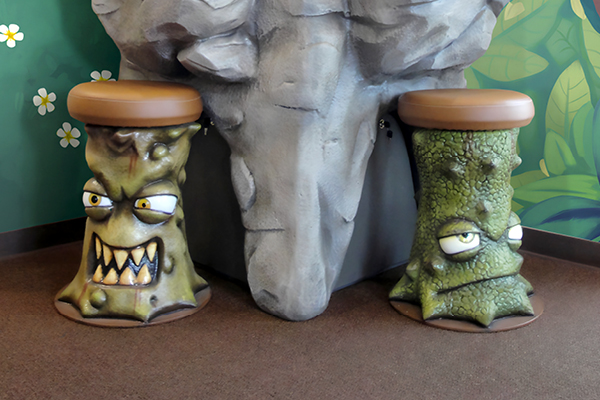
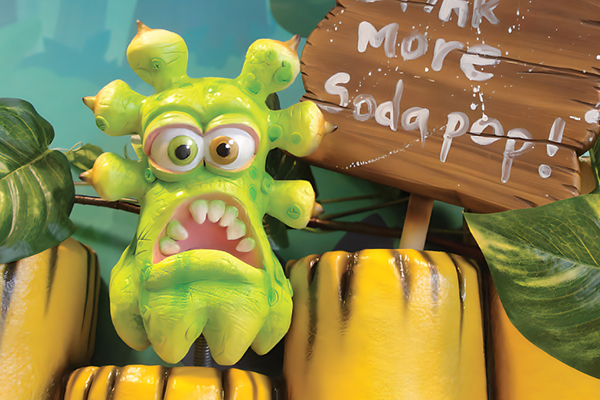
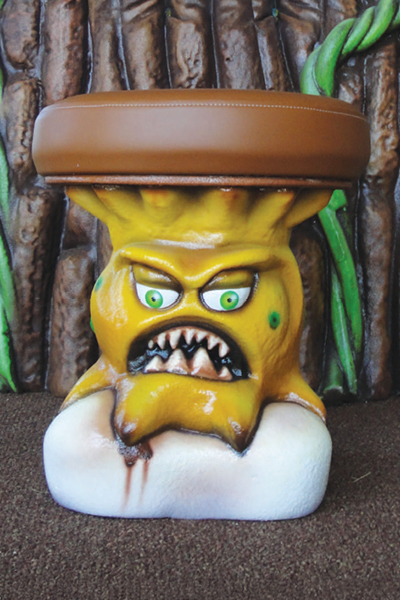
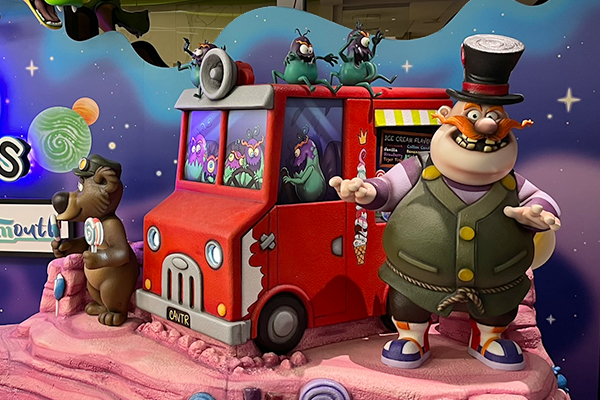
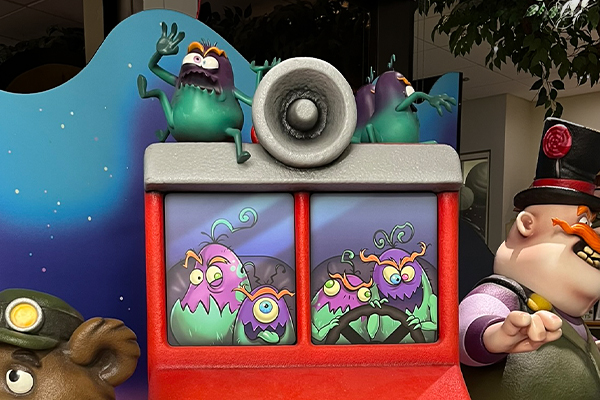
The investment in a themed environment pays off by reducing patient anxiety and distinguishing your practice. It turns the dental visit into an educational adventure that children talk about long after – and that can translate into better at-home oral care. After all, a child who leaves the office excitedly telling their parents about the “tooth bug” they saw or defeated is a child who has begun to understand their role in oral health.

Turning Dental Health Into a Fun Game with Sugar Bugs
Using “tooth bugs” or similar characters to personify oral bacteria is a simple concept with powerful effects. It engages children’s imaginations, making the abstract idea of tooth decay concrete and conquerable. This approach educates kids on their level – and makes the learning process fun. Perhaps most importantly, it empowers children: they aren’t passive patients but brave cavity fighters with an important job to do.
By integrating sugar bug stories into daily routines, speaking in kid-friendly terms, and even designing our dental spaces to be visually inviting, we create an environment where positive oral health habits can thrive. The next time you face a fidgety young patient or a skeptical toddler, try recruiting a few “sugar bugs” to your team. You might be surprised how a tiny imaginary germ can transform a child’s dental journey from fearful to fearless, one brushed-away bug at a time.
References:
- Archer Dental Blog – “Sugar Bugs: A Playful Way to Introduce Kids to Dental Health” (April 2025) archerdental.org
- Surfside Kids Dental – “Teaching Kids About Sugar Bugs: Why It’s a Must”
- Kangaroo Smiles Pediatric Dentistry – “Tips for Brushing and Flossing with Children: Make It Fun!” kangaroosmiles.com
- UIC College of Dentistry News – “Dr. Sam Weisz’s Book Helps Dentists Exterminate the ‘Sugar Bugs’” dentistry.uic.edu
- Kids Teeth Pediatric Dentistry (Dr. Zee) – “Pediatric Dentistry Defined” kidsteethsa.com
- Prime Pediatric Dentistry – “Dental Visit Vocabulary” (child-friendly terms) primepediatricdentistry.com
- Imagination Design Studios – “Kid-Friendly Decor & Theming Benefits” idskids.comidskids.com
- Written by Victoria Mitchell, Head of Marketing at Imagination Design Studios
